
Documentary Photography Mentorship Sessions
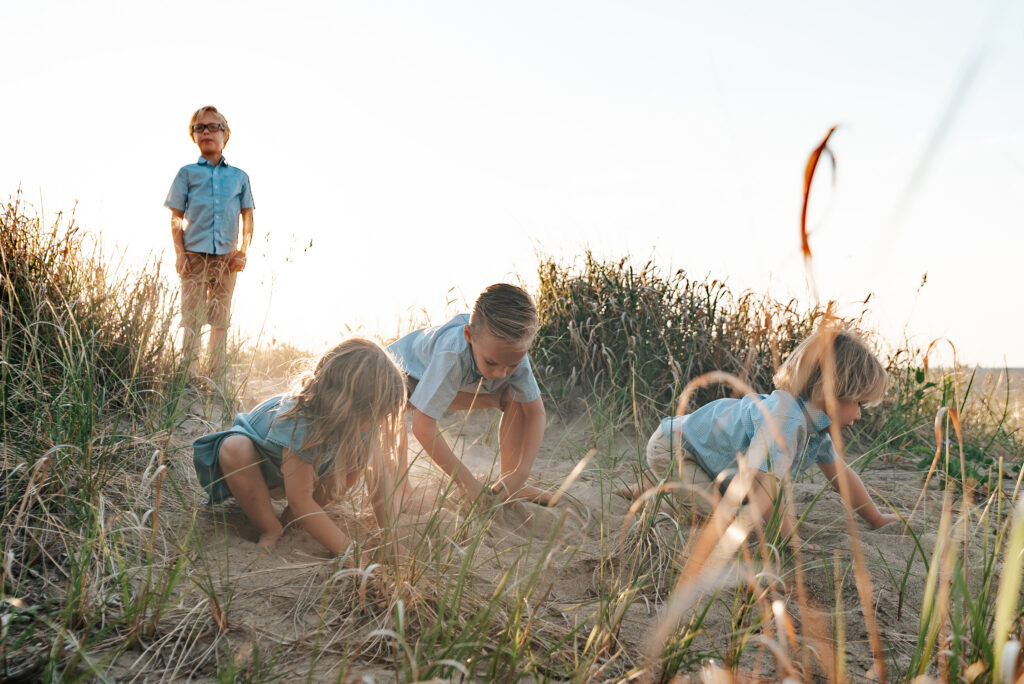
Learning to photograph life in its rawest form does not begin with a camera. It begins with how we live inside our own bodies.
Before composition, before light, before timing, our nervous system is already shaping what we see. If we are rushing, tense, or trying to control the outcome, that energy shows up in our images. Documentary photography asks something deeper from us. It asks us to slow down enough to notice what is actually happening instead of what we think should be happening.
This is where documentary photography becomes less about technique and more about awareness. When we are regulated and present, our vision changes. We notice quieter moments, we sense when to wait instead of interrupting. We feel when something meaningful is unfolding without needing to manufacture it. The images become honest because they are created from a place of attunement, not performance.
The Nervous System Shapes How We See
Our nervous system is the filter through which we experience the world. When it is overwhelmed, we default to habits, formulas, and control. When it feels safe, we become curious. We observe more. We allow moments to unfold without rushing to label or direct them.
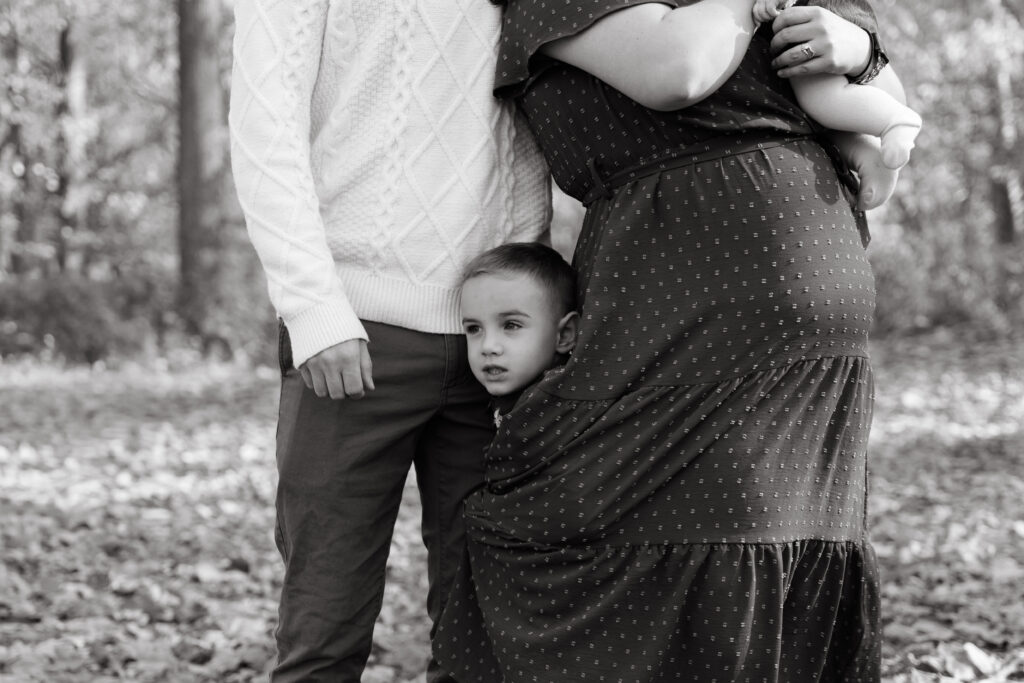
Documentary photography relies on this state of presence. The ability to stay grounded while emotions move through a room, the ability to notice subtle shifts in connection, the ability to trust that real moments do not need to be forced. This way of working mirrors how we move through life. If we are disconnected from our bodies, we miss what is right in front of us. When we are embodied, we see more clearly.
This is why learning documentary photography cannot be separated from learning how to be present. The camera simply becomes an extension of awareness. What we capture is a reflection of how deeply we are willing to stay with a moment.
Documentary Photography as a Way of Experiencing the World
Documentary photography is not just a style. It is a way of relating. It is listening instead of directing, observing without judgment. It’s trusting that truth is already enough.
When photographers begin to understand this, their work shifts. Images feel less posed and more alive. Stories feel fuller. Clients feel safer. This is not because of better settings or more expensive gear, but because the photographer is responding instead of controlling.
This approach requires unlearning. Letting go of the need to perform, letting go of perfection, letting go of the idea that every moment needs to look a certain way to matter. That unlearning process is deeply tied to the nervous system and how we hold ourselves in the world.
Why Mentorship Matters in This Process
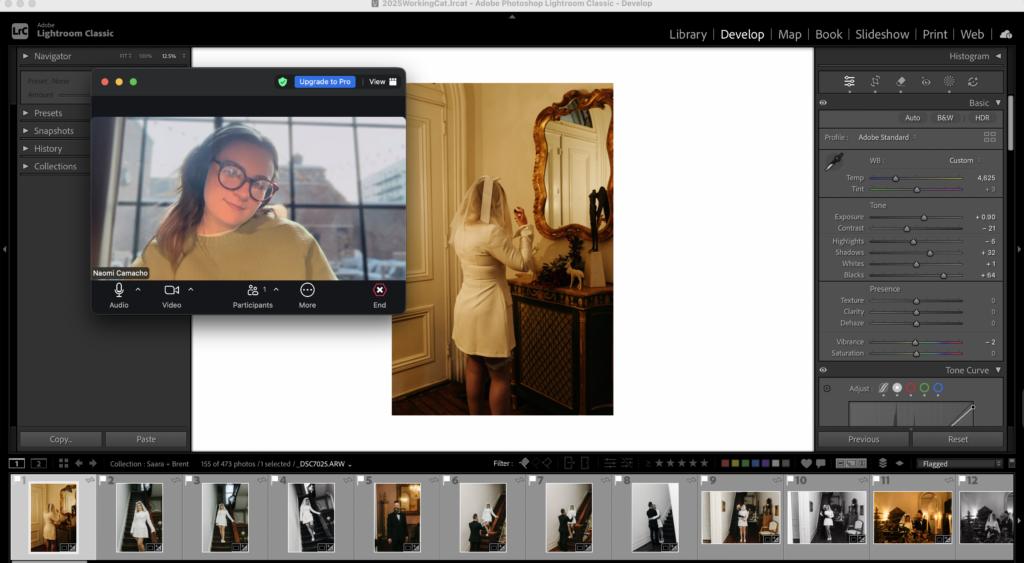
This is exactly what I focus on in my documentary photography mentorship sessions. These sessions are not about copying my work or memorizing rules. They are about learning how to see, feel, and respond more honestly.
We talk about how your nervous system shows up while you photograph. How your lived experience influences what you notice. How slowing down can actually strengthen your storytelling. We look at real images and real moments, and we unpack what was happening beneath the surface.
In my documentary photography mentorship sessions, we connect technical choices to internal states. Why you stood where you stood, why you waited, why you felt drawn to one moment over another. This kind of reflection builds confidence because it helps you trust your instincts instead of second guessing them.
Living Raw Before Photographing Raw
Photographing life honestly means learning how to be present in life first. It means allowing yourself to experience moments fully, without rushing past them or trying to control them. When we live this way, documentary photography becomes natural. It feels intuitive instead of forced.
That is the foundation I return to again and again in my documentary photography mentorship sessions. The work does not start with the camera. It starts within.
Learning to photograph life in its rawest form does not begin with a camera. It begins with how we live inside our own bodies.
Before composition, before light, before timing, our nervous system is already shaping what we see. If we are rushing, tense, or trying to control the outcome, that energy shows up in our images. Documentary photography asks something deeper from us. It asks us to slow down enough to notice what is actually happening instead of what we think should be happening.
This is where documentary photography becomes less about technique and more about awareness. When we are regulated and present, our vision changes. We notice quieter moments, we sense when to wait instead of interrupting. We feel when something meaningful is unfolding without needing to manufacture it. The images become honest because they are created from a place of attunement, not performance.
The Nervous System Shapes How We See
Our nervous system is the filter through which we experience the world. When it is overwhelmed, we default to habits, formulas, and control. When it feels safe, we become curious. We observe more. We allow moments to unfold without rushing to label or direct them.
Documentary photography relies on this state of presence. The ability to stay grounded while emotions move through a room, the ability to notice subtle shifts in connection, the ability to trust that real moments do not need to be forced. This way of working mirrors how we move through life. If we are disconnected from our bodies, we miss what is right in front of us. When we are embodied, we see more clearly.
This is why learning documentary photography cannot be separated from learning how to be present. The camera simply becomes an extension of awareness. What we capture is a reflection of how deeply we are willing to stay with a moment.
Documentary Photography as a Way of Experiencing the World
Documentary photography is not just a style. It is a way of relating. It is listening instead of directing, observing without judgment. It’s trusting that truth is already enough.
When photographers begin to understand this, their work shifts. Images feel less posed and more alive. Stories feel fuller. Clients feel safer. This is not because of better settings or more expensive gear, but because the photographer is responding instead of controlling.
This approach requires unlearning. Letting go of the need to perform, letting go of perfection, letting go of the idea that every moment needs to look a certain way to matter. That unlearning process is deeply tied to the nervous system and how we hold ourselves in the world.
Why Mentorship Matters in This Process
This is exactly what I focus on in my documentary photography mentorship sessions. These sessions are not about copying my work or memorizing rules. They are about learning how to see, feel, and respond more honestly.
We talk about how your nervous system shows up while you photograph. How your lived experience influences what you notice. How slowing down can actually strengthen your storytelling. We look at real images and real moments, and we unpack what was happening beneath the surface.
In my documentary photography mentorship sessions, we connect technical choices to internal states. Why you stood where you stood, why you waited, why you felt drawn to one moment over another. This kind of reflection builds confidence because it helps you trust your instincts instead of second guessing them.
Living Raw Before Photographing Raw
Photographing life honestly means learning how to be present in life first. It means allowing yourself to experience moments fully, without rushing past them or trying to control them. When we live this way, documentary photography becomes natural. It feels intuitive instead of forced.
That is the foundation I return to again and again in my documentary photography mentorship sessions. The work does not start with the camera. It starts within.


